Copy and Paste Palmyrene Alphabet Letters, Symbols and Script Characters


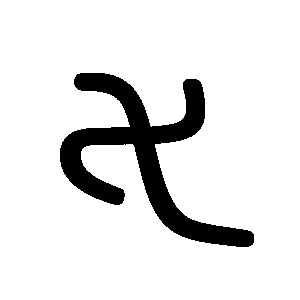
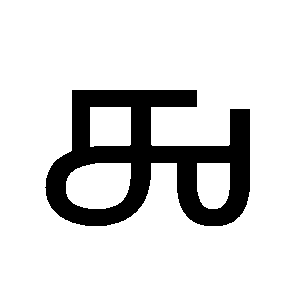
𐡡
𐡢
𐡣
𐡤
𐡥
𐡦
𐡧
𐡨
𐡩
𐡪
𐡫
𐡬
𐡭
𐡮
𐡯
𐡰
𐡱
𐡲
𐡳
𐡴
𐡵
𐡶
𐡷
𐡸
𐡹
𐡺
𐡻
𐡼
𐡽
𐡾
𐡿
Table of Symbols
| Symbol | Name | Unicode | HTML | Download |
|---|---|---|---|---|
𐡠 | Palmyrene Letter Aleph | U+10860 | 𐡠 | SVG | PNG |
𐡡 | Palmyrene Letter Beth | U+10861 | 𐡡 | SVG | PNG |
𐡢 | Palmyrene Letter Gimel | U+10862 | 𐡢 | SVG | PNG |
𐡣 | Palmyrene Letter Daleth | U+10863 | 𐡣 | SVG | PNG |
𐡤 | Palmyrene Letter He | U+10864 | 𐡤 | SVG | PNG |
𐡥 | Palmyrene Letter Waw | U+10865 | 𐡥 | SVG | PNG |
𐡦 | Palmyrene Letter Zayin | U+10866 | 𐡦 | SVG | PNG |
𐡧 | Palmyrene Letter Heth | U+10867 | 𐡧 | SVG | PNG |
𐡨 | Palmyrene Letter Teth | U+10868 | 𐡨 | SVG | PNG |
𐡩 | Palmyrene Letter Yodh | U+10869 | 𐡩 | SVG | PNG |
𐡪 | Palmyrene Letter Kaph | U+1086A | 𐡪 | SVG | PNG |
𐡫 | Palmyrene Letter Lamedh | U+1086B | 𐡫 | SVG | PNG |
𐡬 | Palmyrene Letter Mem | U+1086C | 𐡬 | SVG | PNG |
𐡭 | Palmyrene Letter Final Nun | U+1086D | 𐡭 | SVG | PNG |
𐡮 | Palmyrene Letter Nun | U+1086E | 𐡮 | SVG | PNG |
𐡯 | Palmyrene Letter Samekh | U+1086F | 𐡯 | SVG | PNG |
𐡰 | Palmyrene Letter Ayin | U+10870 | 𐡰 | SVG | PNG |
𐡱 | Palmyrene Letter Pe | U+10871 | 𐡱 | SVG | PNG |
𐡲 | Palmyrene Letter Sadhe | U+10872 | 𐡲 | SVG | PNG |
𐡳 | Palmyrene Letter Qoph | U+10873 | 𐡳 | SVG | PNG |
𐡴 | Palmyrene Letter Resh | U+10874 | 𐡴 | SVG | PNG |
𐡵 | Palmyrene Letter Shin | U+10875 | 𐡵 | SVG | PNG |
𐡶 | Palmyrene Letter Taw | U+10876 | 𐡶 | SVG | PNG |
𐡷 | Palmyrene Left-Pointing Fleuron | U+10877 | 𐡷 | SVG | PNG |
𐡸 | Palmyrene Right-Pointing Fleuron | U+10878 | 𐡸 | SVG | PNG |
𐡹 | Palmyrene Number One | U+10879 | 𐡹 | SVG | PNG |
𐡺 | Palmyrene Number Two | U+1087A | 𐡺 | SVG | PNG |
𐡻 | Palmyrene Number Three | U+1087B | 𐡻 | SVG | PNG |
𐡼 | Palmyrene Number Four | U+1087C | 𐡼 | SVG | PNG |
𐡽 | Palmyrene Number Five | U+1087D | 𐡽 | SVG | PNG |
𐡾 | Palmyrene Number Ten | U+1087E | 𐡾 | SVG | PNG |
𐡿 | Palmyrene Number Twenty | U+1087F | 𐡿 | SVG | PNG |
The Palmyrene Alphabet was an ancient script used to write the Aramaic language in the city of Palmyra, located in present-day Syria. It developed around the 1st century BC and was used until about the 3rd century AD. The alphabet had 22 letters and was written from right to left, similar to other Semitic scripts like Phoenician and Hebrew. Palmyra was a major trade center in the ancient world, and the alphabet was used on inscriptions, monuments, and coins to record both commercial and cultural information.
The Palmyrene script evolved from the Aramaic alphabet and existed in two main forms: an early, more angular version and a later, cursive style that was easier to write. It served as a practical and artistic script, reflecting the blend of local traditions and external influences that shaped Palmyra’s history. Although it disappeared after the city’s decline, the Palmyrene alphabet remains an important link in the evolution of Semitic writing systems.
Today, the Palmyrene script is remembered through archaeological discoveries and historical studies. Its inscriptions provide valuable insight into the language, culture, and trade of one of the most fascinating cities of the ancient Near East.